

Buying your first electric vehicle can feel exciting and overwhelming at the same time. Unlike traditional petrol or diesel cars, EVs introduce new concepts like battery range, charging networks, regenerative braking, and home charging setups. For beginners, the ideal EV is not the fastest or the most luxurious. It is the one that makes the transition from fuel to electric smooth and stress-free.
In this guide, I will walk you through the best electric cars for beginners in 2026, explain what makes an EV beginner-friendly, and help you understand which entry level electric cars offer the right balance of affordability, safety, range, and ease of use.
What Makes an Electric Car Beginner-Friendly?
Before choosing a specific model, it is important to understand what truly matters for new EV drivers. A beginner does not need extreme range or high-performance acceleration. Instead, simplicity, reliability, and predictable ownership costs matter more.
A beginner-friendly EV usually offers:
- Moderate but practical driving range suitable for daily commuting
- Easy-to-use infotainment and navigation systems
- Access to reliable charging infrastructure
- Strong safety ratings and driver assistance features
- Affordable purchase price and lower maintenance complexity
When these elements align, the EV ownership experience becomes less intimidating and more intuitive.
Tesla Model 3 (Standard Range)
The Tesla Model 3 remains one of the most popular entry points into the EV world. While it may not be the cheapest option globally, it delivers an extremely beginner-friendly ecosystem, especially due to Tesla’s integrated charging network and simple user interface.
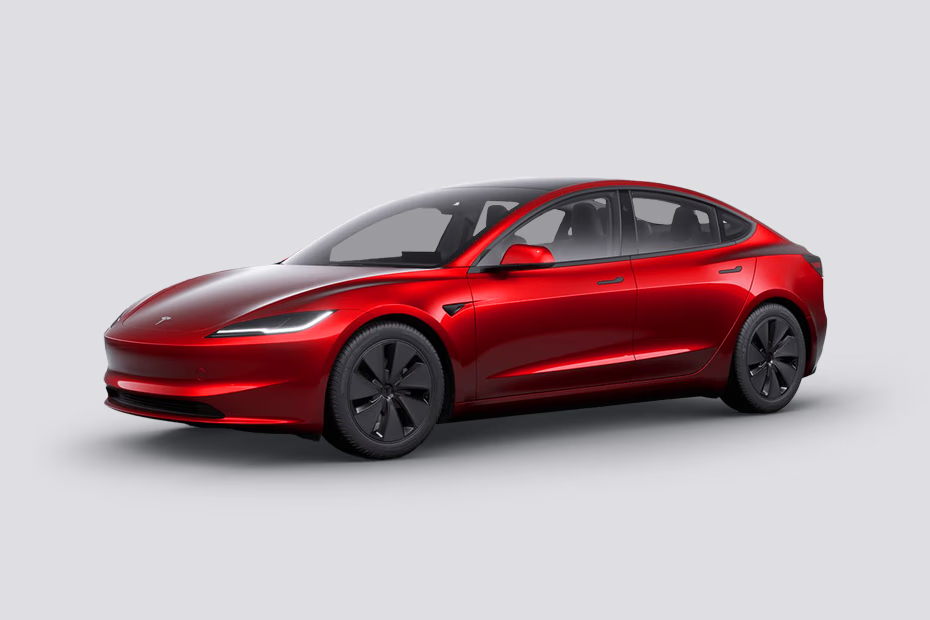
The driving experience feels smooth and quiet, and the minimalist interior reduces distractions. Tesla’s over-the-air updates also keep the car improving over time, which adds long-term value for first-time owners.
Key features include:
- Estimated range of approximately 400–430 km (Standard Range variant)
- Access to Tesla Supercharger network
- Advanced driver assistance with Autopilot
- Large central touchscreen with intuitive controls
- Over-the-air software updates
The Model 3 works well for beginners who want a tech-forward EV with strong brand support and a proven charging infrastructure.
Chevrolet Bolt EUV
The Chevrolet Bolt EUV has built a strong reputation as a practical and affordable entry level electric car. It offers solid range for city and highway driving without entering premium pricing territory.
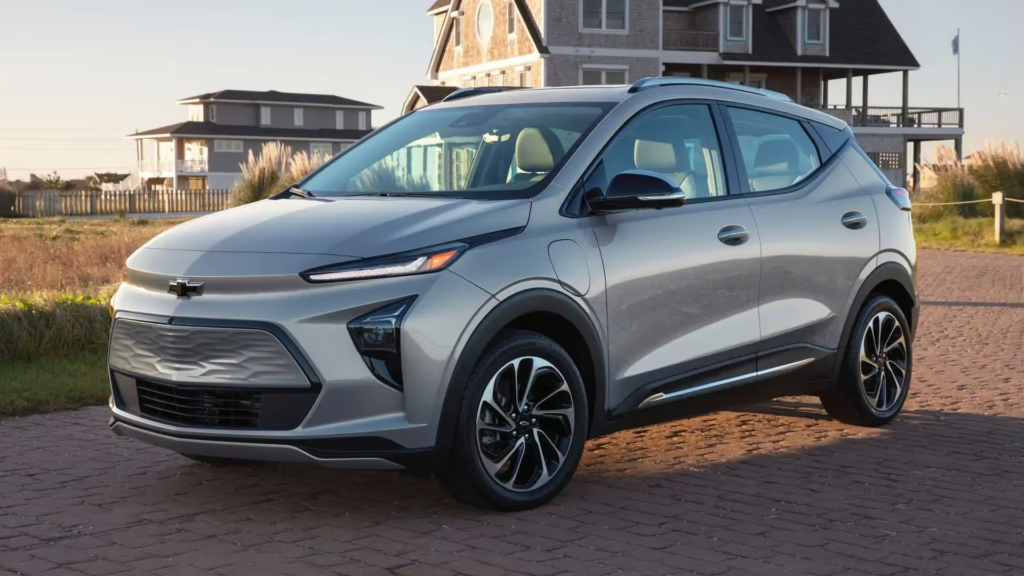
For new drivers, its traditional layout makes the transition from gasoline vehicles feel natural. The interface is straightforward, and the driving dynamics are easy to manage.
Key features include:
- Around 400 km of estimated range
- Comfortable seating and spacious cabin
- Regenerative braking modes for efficient driving
- Standard driver assistance safety features
- Competitive entry-level pricing
The Bolt EUV is especially suitable for commuters who want an EV for daily use without paying for luxury extras they may not need.
Nissan Leaf
The Nissan Leaf is one of the pioneers of modern electric vehicles, and its longevity in the market makes it a trusted option for beginners. It is simple, reliable, and widely recognized in the EV space.
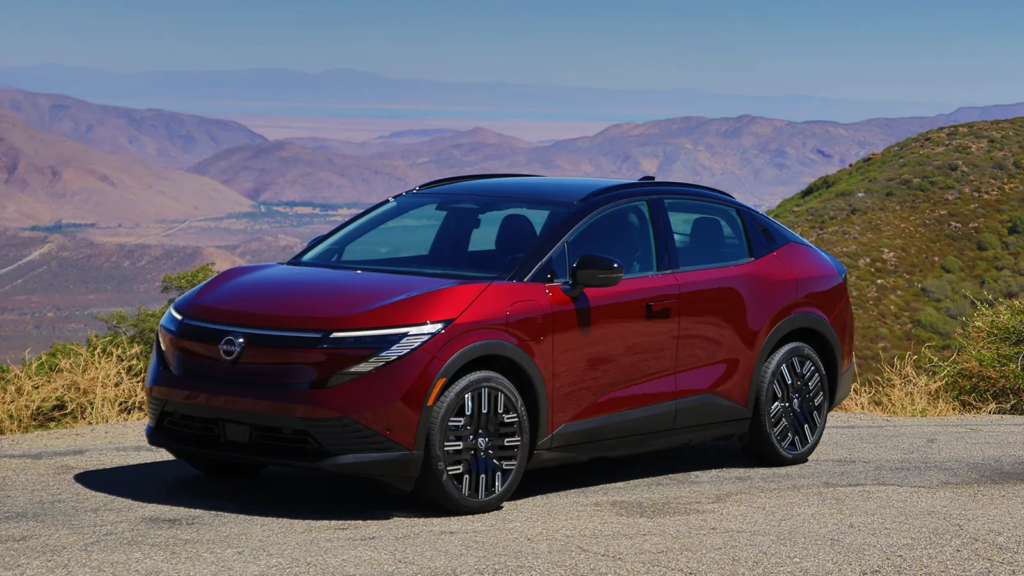
Its controls feel familiar to drivers transitioning from conventional cars, and maintenance requirements are relatively minimal compared to combustion vehicles.
Key features include:
- Practical range options depending on battery variant
- e-Pedal system for one-pedal driving
- Comfortable ride quality
- Proven reliability record
- Competitive pricing in many markets
For new drivers looking for a straightforward EV without complex technology layers, the Leaf remains a dependable choice.
Hyundai Kona Electric
The Hyundai Kona Electric strikes a strong balance between affordability, range, and feature richness. It offers one of the better range figures among entry-level EVs while maintaining a manageable size for urban driving.
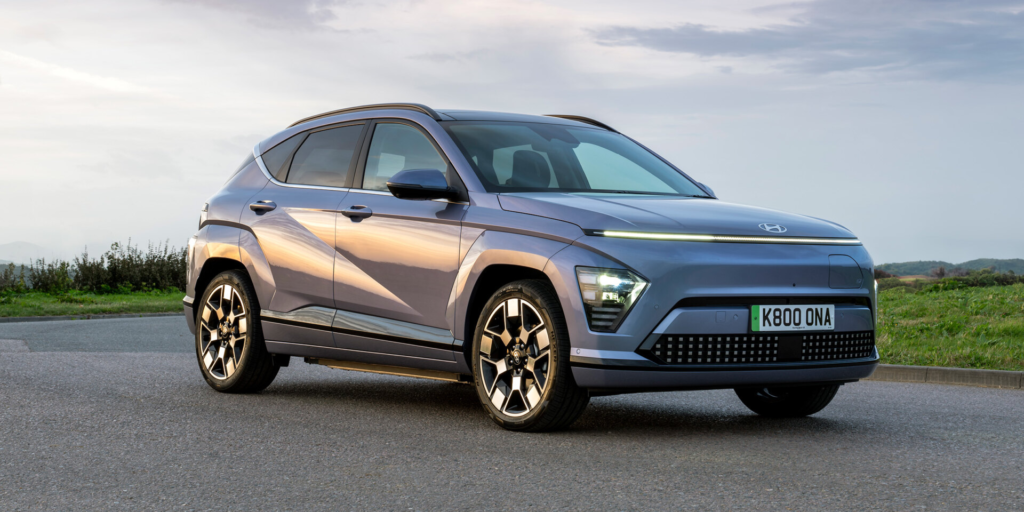
Its compact SUV design also appeals to drivers who prefer slightly higher seating positions compared to sedans.
Key features include:
- Range often exceeding 450 km in certain variants
- Compact SUV form factor
- Advanced safety features
- Regenerative braking system
- User-friendly infotainment system
For beginners who want extended range confidence without stepping into premium EV pricing, the Kona Electric is a compelling option.
MG4 EV
The MG4 EV has gained popularity as a modern, stylish, and accessible electric hatchback. It offers balanced performance and practical daily usability, making it suitable for first-time EV owners.
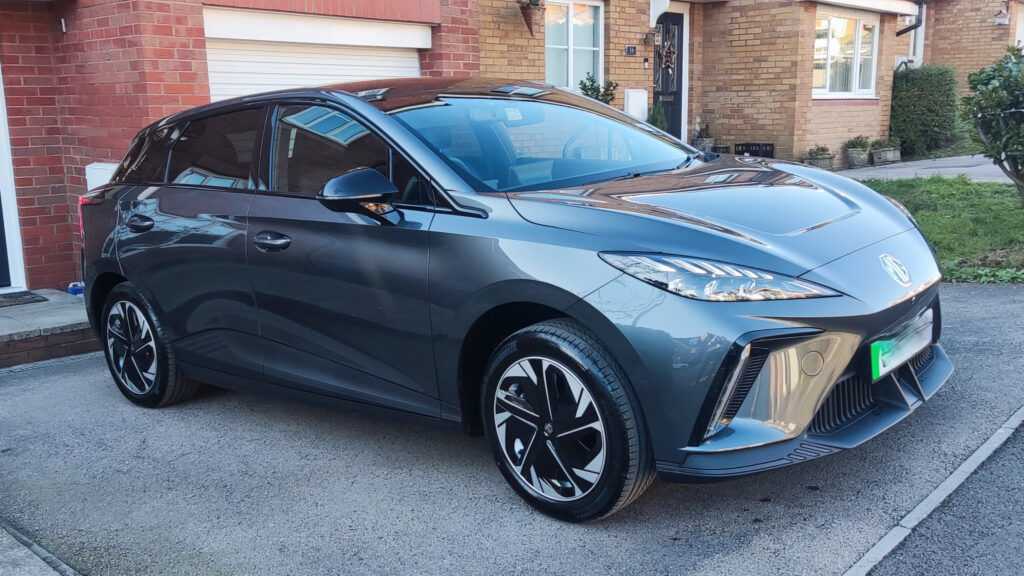
Its compact size makes it easy to park and maneuver in urban settings, which is particularly helpful for new drivers.
Key features include:
- Competitive range depending on battery configuration
- Rear-wheel drive platform in some variants
- Digital instrument cluster and touchscreen interface
- Strong safety package
- Affordable pricing compared to rivals
The MG4 EV is ideal for city dwellers and younger buyers entering the EV market for the first time.
How to Choose Your First EV
Choosing the best electric car for beginners depends on your daily driving habits, charging access, and budget. If you primarily drive within the city, extreme range may not be necessary. If you frequently travel longer distances, charging infrastructure availability becomes critical.
Consider these factors carefully:
- Daily commute distance
- Availability of home charging
- Public charging stations in your area
- Government incentives or tax benefits
- Long-term battery warranty
Your first EV should simplify your life rather than complicate it. When range matches your routine and charging fits your lifestyle, ownership becomes seamless.
Common Beginner Concerns About Electric Cars
Many first-time EV buyers share similar concerns, which are often based on outdated assumptions. Understanding the realities can remove unnecessary hesitation.
Range anxiety is typically reduced once drivers understand their daily driving patterns. Most people drive far less per day than modern EV ranges allow.
Battery life concerns are also less severe than many assume, as most manufacturers offer extended battery warranties. Maintenance costs are generally lower because EVs have fewer moving parts compared to traditional engines.
Final Thoughts
The best electric cars for beginners are not necessarily the most powerful or luxurious models. They are the ones that provide predictable range, simple controls, accessible charging, and strong safety features. As EV technology continues to mature in 2026, entry level electric cars are becoming more refined, affordable, and practical than ever before.
If you approach your first EV purchase with clarity about your driving needs and charging options, the transition to electric can feel surprisingly effortless.