
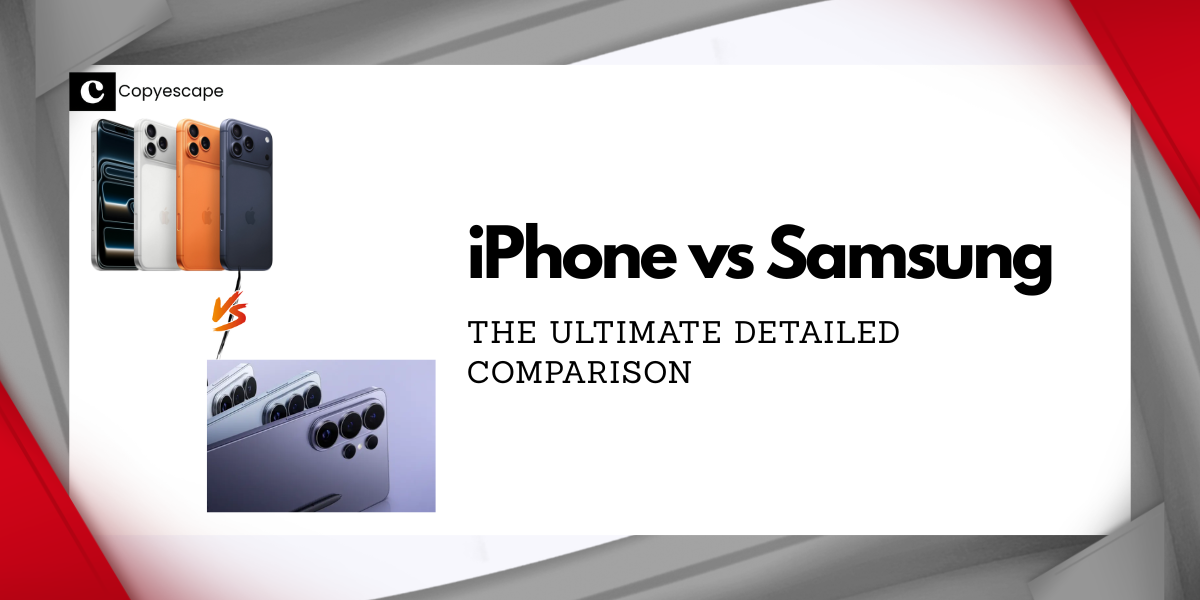
The iPhone vs Samsung debate in 2026 is no longer just about Android vs iOS. It is about ecosystem control vs customization freedom, computational efficiency vs hardware dominance, and long-term software stability vs feature experimentation.
With the launch of the Samsung Galaxy S26 series, this comparison has gained new momentum. Samsung is pushing AI-driven functionality and hardware refinement, while Apple continues strengthening vertical integration and silicon performance. If you are trying to decide between an iPhone and a Samsung flagship this year, this detailed breakdown will help you think clearly rather than emotionally.
Samsung Galaxy S26 Series: What It Changes in 2026
The Galaxy S26 lineup introduces incremental but strategically important upgrades. Samsung is not reinventing the smartphone, but it is refining it in key areas.
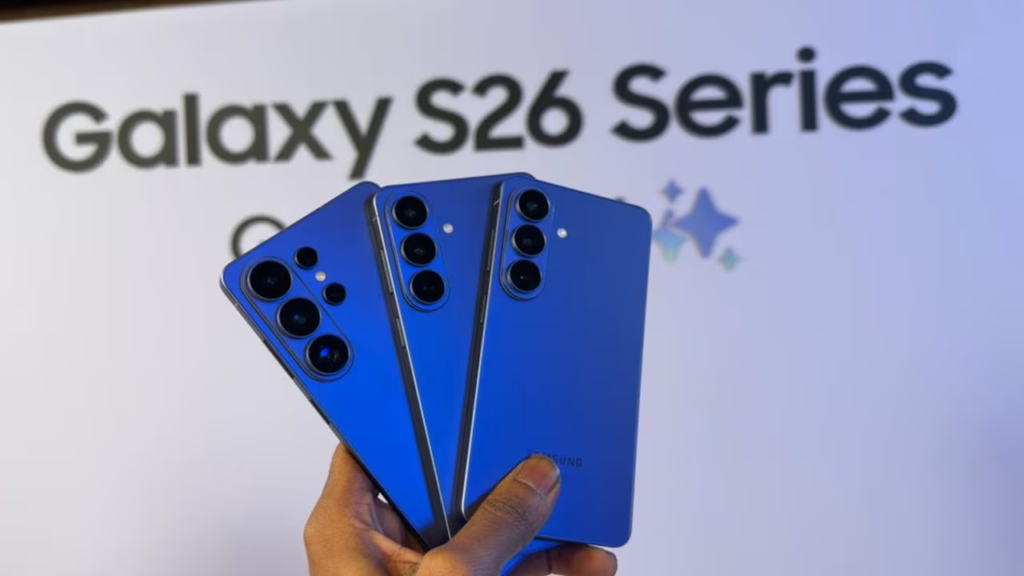
The S26 series emphasizes:
- Multi-AI integration (Samsung AI + Google Gemini + Perplexity support)
- Enhanced privacy display technology in the Ultra variant
- Snapdragon 8 Elite Gen 5 chipset (region dependent)
- Improved battery optimization
- Higher RAM configurations for smoother multitasking
What stands out in 2026 is Samsung’s decision to double down on AI assistants. Instead of locking users into one ecosystem, Samsung allows flexibility. That flexibility appeals to power users and professionals who rely on AI daily.
However, pricing has increased slightly in key markets. That means Samsung is no longer the “value flagship” it once was. It now competes directly in premium territory.
Performance Deep Dive: A-Series vs Snapdragon/Exynos
This is where the iPhone vs Samsung 2026 comparison becomes interesting.
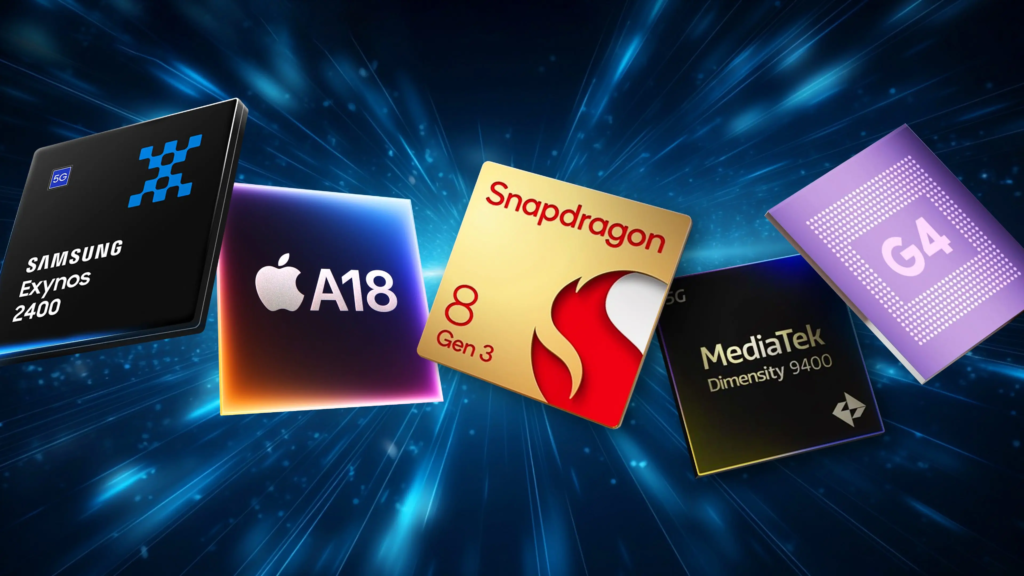
Apple’s A-series chip (A17/A18 generation depending on model) remains unmatched in single-core performance and efficiency. iPhones consistently deliver smooth performance even with lower RAM because iOS tightly controls background processes.
Samsung’s Galaxy S26, powered by Snapdragon 8 Elite Gen 5 or updated Exynos variants, focuses on multitasking strength and raw power. With 12GB RAM standard on many variants and higher memory ceilings in Ultra models, Samsung devices feel extremely fluid when running multiple apps, gaming heavily, or using split-screen features.
Here is the practical difference:
If you want optimized performance with minimal tweaking, iPhone wins in consistency.
If you want flexibility, multitasking, and power-user features, Samsung offers more freedom.
Display Comparison: AMOLED vs Super Retina XDR
Samsung continues to lead in display innovation. The Galaxy S26 Ultra offers an industry-leading Dynamic AMOLED 2X panel with:
- Adaptive 120Hz refresh rate
- Higher sustained brightness levels
- Excellent HDR performance
- Larger screen size options
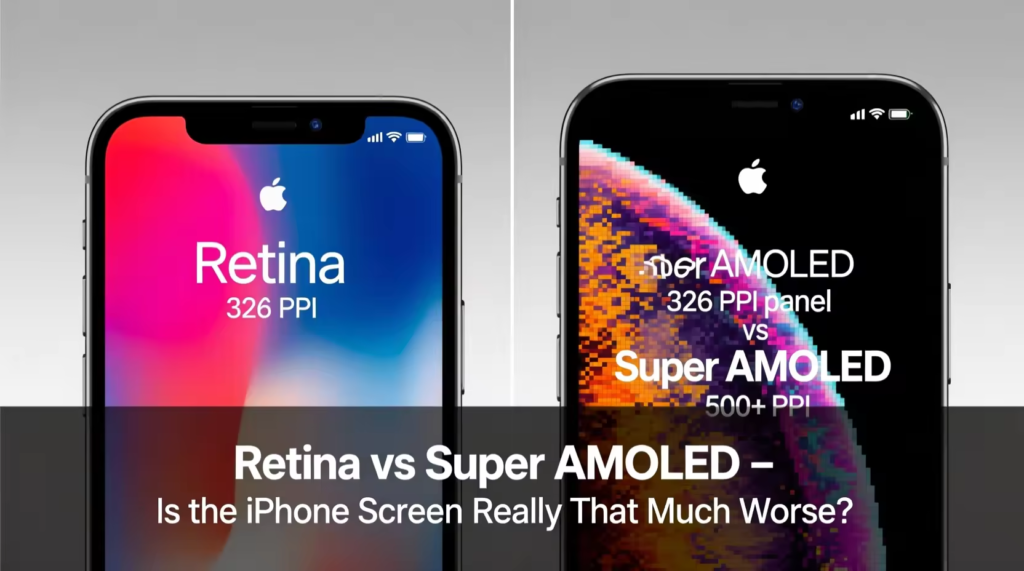
Apple’s Super Retina XDR display focuses on:
- Accurate color calibration
- Superior outdoor visibility
- Smooth ProMotion (120Hz on Pro models)
- Consistent brightness control
Samsung displays often appear more vibrant and punchy. Apple displays appear more natural and color-accurate. Neither is objectively “better.” It depends on preference.
For media consumption and gaming, Samsung feels immersive.
For photography accuracy and editing, Apple’s color consistency appeals to creators.
Camera System: Hardware vs Computational Photography
This is one of the most searched queries under “android vs iphone comparison.”
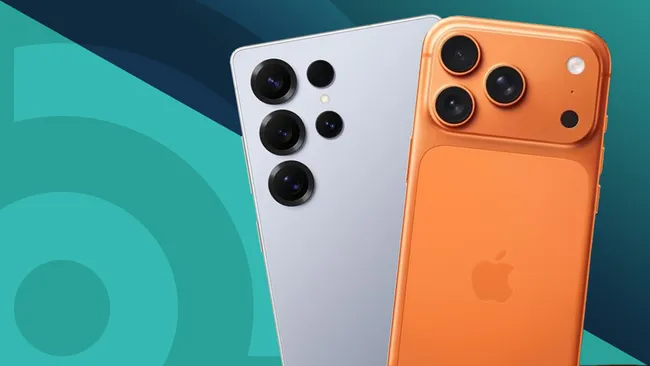
Samsung Galaxy S26 Ultra offers:
- High megapixel primary sensor
- Periscope zoom capabilities
- AI-assisted photo enhancements
- Advanced night mode improvements
Apple iPhone (15/16/17 generation):
- Superior video stabilization
- Consistent skin tone rendering
- Excellent dynamic range
- Industry-leading cinematic video features
Samsung tends to offer more aggressive image processing and zoom versatility. Apple focuses on balanced realism and unmatched video consistency.
If you are a content creator focusing on video, iPhone remains extremely strong.
If you prioritize zoom photography and experimental AI features, Samsung gives you more flexibility.
Battery Life and Charging: Real-World Usage
On paper, Samsung often includes larger battery capacities. The Galaxy S26 base model exceeds 4,000 mAh, with higher capacity in Plus and Ultra models.
However, battery life is not just about numbers. Apple’s iOS optimization often allows smaller batteries to compete effectively in daily usage.
Charging differences:
Samsung:
- Faster wired charging
- Reverse wireless charging
- USB-C flexibility
Apple:
- MagSafe ecosystem
- Optimized battery health management
- Improved USB-C adoption in newer models
In real-world terms, both devices comfortably last a full day for moderate users. Heavy gaming or video recording users may prefer Samsung’s larger battery capacity.
Software Experience: One UI vs iOS in 2026
This is where the decision becomes philosophical.
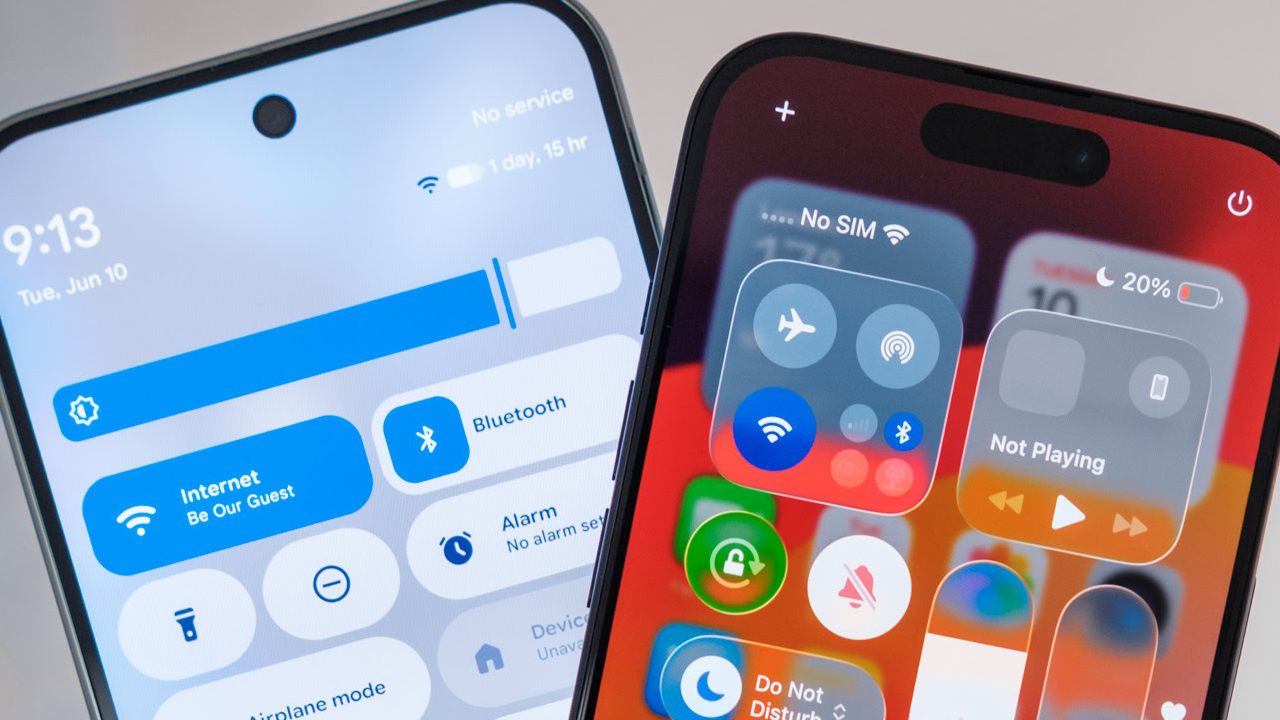
iOS Strengths:
- Long-term updates (5+ years)
- Seamless ecosystem (MacBook, iPad, Watch)
- Minimal bloatware
- Strong privacy reputation
Samsung One UI Strengths:
- Deep customization
- Split-screen multitasking
- AI assistant flexibility
- Advanced home screen controls
In 2026, Samsung’s AI features are more visible and aggressive, while Apple integrates AI more subtly into system workflows.
If you value simplicity and controlled experience, iOS feels cleaner.
If you enjoy personalization and experimentation, One UI gives you more control.
Ecosystem Lock-In vs Cross-Platform Flexibility
This is a crucial MOFU-level consideration.
If you already own:
- A MacBook
- An iPad
- AirPods
- Apple Watch
Switching away from iPhone may reduce seamless integration.
If you use:
- Windows laptops
- Google services
- Android tablets
- Samsung wearables
Samsung may feel more natural.
Your smartphone is no longer an isolated purchase. It is a central hub in a larger ecosystem.
Longevity and Resale Value: The Hidden Cost Factor
Most buyers look at the purchase price, but experienced buyers evaluate long-term ownership cost. Resale value, software support, and durability significantly impact how much your phone actually costs over time.
Apple has historically maintained stronger resale value across global markets. iPhones tend to depreciate more slowly, especially Pro models, which means upgrading every two to three years becomes financially easier.
Key advantages of iPhone in resale and longevity:
- Higher second-hand market demand
- Longer iOS update support cycle
- Stronger brand retention value
- Better trade-in offers in many regions
Samsung has significantly improved update commitments and long-term support. The Galaxy S26 series benefits from extended Android version updates and security patches, making it more competitive than older Galaxy generations.
Samsung longevity strengths include:
- Larger batteries in many models
- Improved update promises
- Strong hardware durability
- Competitive trade-in programs
If you plan to upgrade frequently, iPhone may offer better cost recovery. If you plan to keep your phone longer and prioritize hardware specs upfront, Samsung remains very competitive.
Gaming Performance and Thermal Management
Gaming performance in 2026 is no longer just about raw power. Sustained performance and heat management are equally important.
Samsung’s Galaxy S26 series, particularly the Ultra variant, integrates enhanced cooling systems that help maintain stable performance during extended gaming sessions. Higher RAM configurations also support smoother multitasking while gaming.
Samsung gaming strengths:
- Larger vapor chamber cooling
- Higher RAM options (often 12GB+)
- Split-screen multitasking
- Larger AMOLED displays for immersive play
- High refresh rate consistency
Apple’s iPhones continue to dominate in chip efficiency and GPU optimization. Many major games are optimized first for iOS, which results in highly stable frame rates and excellent battery efficiency during gaming.
iPhone gaming strengths:
- Strong single-core and GPU performance
- Excellent game optimization
- Stable frame pacing
- Efficient battery management
- Consistent performance across apps
If you are a competitive mobile gamer who multitasks or streams, Samsung may feel more flexible. If you prefer optimized, stable gameplay with minimal configuration, iPhone remains extremely reliable.
Who Should Buy iPhone in 2026?
The iPhone is ideal for users who value simplicity, ecosystem strength, and long-term reliability. Apple’s tightly controlled hardware-software integration creates a predictable and smooth experience.
You should consider iPhone if you:
- Own other Apple devices like MacBook or iPad
- Prioritize long software support
- Care about resale value
- Prefer minimal customization complexity
- Create video content regularly
- Value privacy-focused features
The iPhone experience is consistent and stable. It appeals to users who want technology to “just work” without constant tweaking.
Who Should Buy Samsung Galaxy S26 in 2026?
Samsung appeals to users who enjoy flexibility and hardware-driven innovation. The Galaxy S26 series focuses on AI integration, display leadership, and multitasking capabilities.
You should consider Samsung if you:
- Prefer Android customization
- Use Google services heavily
- Want higher RAM configurations
- Enjoy split-screen multitasking
- Value vibrant AMOLED displays
- Want AI assistant flexibility (Gemini + Samsung AI support)
Samsung is often the choice for users who like experimenting with features and adjusting their device to fit their workflow.
Final Verdict: Android vs iPhone Comparison 2026
In 2026, choosing between iPhone and Samsung is less about superiority and more about alignment with your digital habits.
Choose iPhone if your priority is:
- Ecosystem integration
- Stability and long updates
- Resale value
- Video recording consistency
- Clean, controlled software
Choose Samsung Galaxy S26 if your priority is:
- Customization freedom
- AI-powered features
- Larger, more immersive displays
- Multitasking strength
- Hardware flexibility
Both brands deliver premium performance, strong cameras, and long battery life. The right decision depends on how you use your smartphone every day.